
When to Winterize Your Sprinklers in Utah (and How)
The right window to winterize in the Salt Lake Valley, why shutting off the water is not enough, and the steps for a safe blowout.
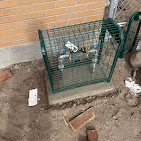
Utah winters are tough on sprinkler systems. Water left in pipes, valves and backflow devices can freeze, expand and crack parts. When that happens you usually don't find out until spring, when you turn the water back on and see a geyser in the yard. Winterizing your system in the fall is one of the easiest ways to avoid a costly repair.
When Should You Winterize?
In most of the Salt Lake Valley, plan to winterize between early October and early November. The goal is to finish before the first hard freeze, when temperatures stay below freezing for several hours overnight.
- Watch the forecast. One light frost usually won't hurt your system. A hard freeze can.
- Higher elevations freeze sooner. Homes on the benches and near the canyons often need to winterize earlier than homes on the valley floor.
- Don't wait for the rush. Blowout appointments fill up fast once cold weather hits, so book early.
- Your lawn still needs water until then. Cool fall weather means less watering, but don't shut off too early during a warm, dry stretch.
Why a Blowout Matters
Shutting off the water isn't enough. Water still sits in the lines, the sprinkler heads and the valves. A blowout uses compressed air to push that water out of each zone so nothing is left to freeze.
Utah's clay-heavy soils hold moisture and can shift as they freeze and thaw, which adds stress to buried pipes. A clean blowout gives your system the best chance of making it through the winter without damage.
How to Winterize Your Sprinkler System
- Shut off the main irrigation water supply. This valve is often in the basement, a crawl space or a meter box near the street.
- Turn off or set the controller to "rain/off" mode. This keeps it from trying to run zones all winter.
- Blow out each zone with compressed air. Work one zone at a time until only mist comes out of the heads. Keep the air pressure in a safe range, because too much pressure can damage parts.
- Protect the backflow preventer. Open the test cocks, set the valves to the proper position, and insulate the device if it sits above ground.
- Drain any exposed pipes or hose bibs connected to the system.
A word of caution: blowing out a system takes the right compressor and the right pressure. Done wrong, it can damage valves and heads or cause injury from flying debris. If you're not sure, it's worth having a professional do it.
What About Spring?
Once you winterize, leave the system off until the danger of a hard freeze has passed in spring. A careful startup, with water turned on slowly, a check of each zone and any problems fixed, gets your yard off to a healthy start.
Let Everwork Handle Your Winterization
Everwork is a family-owned business in Sandy, and we help homeowners across Salt Lake County get their systems ready for winter. Learn more about our sprinkler winterization and blowout service, or contact us or call (801) 875-8109 to book your spot before the cold sets in.